You have scheduled a weekend around your exterior painting project, and now you are wondering whether that is enough time. How long does gutter fascia soffit painting take? The honest answer depends on several factors that most guides gloss over. This post walks through each stage of the job so you can plan around your real life, not an optimistic estimate.
- What the Job Actually Covers
- How Prep Time Shapes the Overall Schedule
- The Painting Phase: What Affects How Long It Takes
- Drying and Curing Between Coats
- Full Project Timeline from Start to Finish
- Frequently Asked Questions
What the Job Actually Covers
Before estimating time, it helps to be clear about what gutter fascia soffit painting actually includes. The fascia is the flat board running along the roofline behind the gutter. The soffit is the underside of the roof overhang that faces downward. Gutters themselves may need cleaning and light sanding before any paint is applied. These three surfaces sit close together and are often painted as a single scope of work during an exterior refresh.
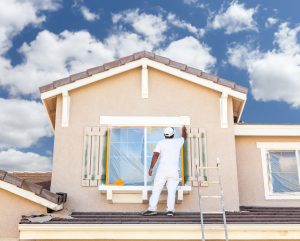
Painting this area is distinct from general exterior trim painting because it requires working at height for the entire job. That changes how crews set up, move along the building, and manage safety. It also affects how long the work takes from start to finish. If your project also includes siding and Hardie board painting, the scheduling of each surface needs to coordinate so crews are not working on top of each other.
The size of the home and the complexity of the roofline are the two biggest variables before we even pick up a brush. A single-storey bungalow with a straightforward roofline is a very different job from a two-storey home with multiple peaks, dormers, and long runs of fascia.
How Prep Time Shapes the Overall Schedule
Prep is where gutter fascia soffit painting jobs most commonly run over schedule. Many homeowners think of prep as a quick step, but on a typical house it accounts for a significant share of total labour. We start by cleaning the surfaces, which usually means pressure washing or hand-washing to remove dirt, mildew, and chalking paint. That surface must dry fully before any coating goes on, and drying depends on weather and temperature on that specific day.
After cleaning, we inspect for peeling, cracking, or bare wood. Any failing paint has to be scraped and sanded back, and bare wood needs a primer coat before the finish colour goes on. Older homes may have multiple layers of paint that need more aggressive preparation. Caulking gaps between the fascia board and trim is also part of this stage. Skipping any of these steps leads to early paint failure, so we do not cut corners here even when a client is eager to see colour on the house.
For a standard single-storey home, expect prep to take half a day to a full day on its own. A larger or more complex home may need a full day of prep before painting begins. If your home also needs work on deck and fence painting, that prep runs on a separate timeline and we schedule it accordingly.
The Painting Phase: What Affects How Long It Takes
Once surfaces are clean, dry, and prepped, the painting phase begins. How long it takes depends on linear footage, the number of coats needed, and access along each run of fascia and soffit. Narrow or intricate profiles take longer to cut in cleanly than wide, flat boards. Two-storey homes require more careful ladder and scaffold setup at each position, which adds time that does not show up in the paint itself.
Spraying and back-rolling is typically faster than brushing alone, but it requires masking the surrounding surfaces including windows, siding, and the gutters themselves. That masking step adds time on the front end and removal time at the finish. For homes with detailed moulding at the roofline, brush work may be the right call for accuracy. We choose the application method that gives the best result for that specific profile, not the quickest method in isolation.
Colour changes also affect schedule. Going from a dark colour to a light one often requires an additional coat to achieve even coverage. If you are also refreshing your trim painting at the same time, we coordinate the colour sequence so the job flows efficiently across all surfaces. Most painting days run between six and eight working hours, and we confirm the scope and expected day count in your written quote before work starts.
Drying and Curing Between Coats
Drying time between coats is non-negotiable. Applying a second coat over a surface that has not dried adequately causes adhesion problems, bubbling, and peeling that appear weeks or months later. Most quality exterior paints require a minimum dry time between coats that the manufacturer specifies on the label. In cooler or humid weather, that window extends. We check conditions on the day and adjust the schedule rather than push a second coat too early.
For most exterior coatings in typical warm-season conditions, a recoat window of two to four hours is common, but that figure changes with temperature and humidity. On a cooler or overcast day, we may wait longer. This is one reason why a two-coat job on fascia and soffits sometimes requires two separate visits rather than two coats in a single day. We build that possibility into the schedule upfront so it does not catch anyone off guard.
Full cure, meaning the point at which the paint has reached its final hardness and washability, takes longer than surface drying. We advise clients not to pressure-wash or scrub the newly painted surfaces for several weeks after completion. This is standard guidance for exterior latex and oil-based coatings alike.
Full Project Timeline from Start to Finish
Putting it all together, a realistic answer to how long gutter fascia soffit painting takes on a typical single-storey home is two to three days from the first prep step to final coat. That includes one day of cleaning and preparation, one painting day for the first coat, and a return visit for the second coat once drying is complete. Weather holds and scheduling delays can add days between visits, which we account for when booking.
A larger two-storey home with complex rooflines, multiple colours, or significant prep needs may run three to five days of total work spread over a week or more. Homes that also include gutter fascia soffit painting as part of a broader exterior refresh alongside exterior brick painting or door painting will see those scopes scheduled in sequence, and the overall project timeline grows accordingly. We confirm the day count in your quote so you know exactly what to expect before any work begins.
Weather is the one variable outside anyone’s control. We do not paint in rain, extreme cold, or high winds because those conditions compromise adhesion and finish quality. If weather interrupts the schedule, we rebook as quickly as possible and keep you informed throughout.
Ready to get a clear, written timeline for your home? Contact Joe’s Painting Pros for a no-obligation quote. We assess your fascia, soffit, and gutter condition, confirm the number of coats and visits your job needs, and give you a schedule you can count on. Reach us through our commercial painting or residential inquiry pages, and our team will follow up to arrange a time that works for you.
Frequently Asked Questions
How long does gutter fascia soffit painting take on an average home?
For a typical single-storey home, expect two to three days of total work: roughly one day for cleaning and prep, one day for the first coat, and a return visit for the second coat once drying conditions are met. Larger or more complex homes take longer, and we confirm the specific day count in your written quote.
Can the job be done in a single day?
On a small home with minimal prep needs and ideal drying conditions, it is sometimes possible to complete prep and a first coat in one day, with a second coat the following morning. Most jobs, however, benefit from two separate visits to allow proper drying between coats. Rushing the recoat window leads to adhesion problems that shorten the life of the paint job.
What adds the most time to a fascia and soffit painting project?
The three biggest time factors are the extent of prep required (scraping, sanding, and priming failing paint takes significant time), the linear footage and height of the roofline, and weather conditions that affect drying between coats. Homes with dormers, multiple peaks, or detailed moulding profiles also take longer than homes with simple, straight rooflines.
Does weather affect how long the project takes?
Yes, weather is a significant factor. We do not apply paint in rain, extreme cold, or high winds because those conditions prevent proper adhesion and curing. Cool or humid days also extend drying time between coats, which can push a second-coat visit to the following day. We monitor conditions and adjust the schedule as needed, keeping you updated throughout the project.
Should fascia and soffit painting be combined with other exterior work?
Combining it with related exterior work, such as trim or siding, is often more efficient because the crew, scaffolding, and equipment are already on site. Scheduling related surfaces together can reduce the total number of visit days compared to doing each scope separately. We help you plan the most logical sequence during the quoting stage so surfaces are painted in the right order and no freshly painted area is disturbed by work overhead.
How soon after painting can the gutters and fascia get wet?
Most exterior paints are surface-dry within a few hours under good conditions, but full cure takes considerably longer. We advise avoiding pressure washing or aggressive scrubbing of newly painted fascia and soffits for several weeks after the final coat. Light rain after the paint has had several hours to dry is generally not a problem, but the surface should not be soaked before it has cured. We provide specific guidance based on the product used on your job.